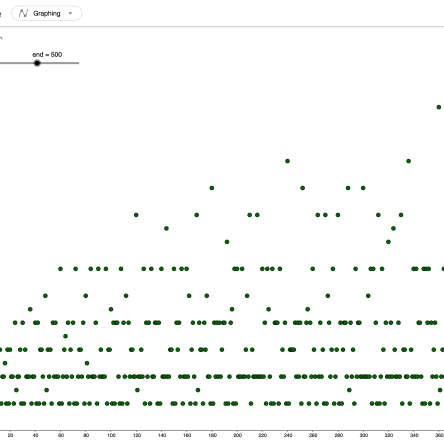
Math Visualization: Factors
Simon is visualizing factors in GeoGebra. This graph visualizes how many factors a number has. If a number is higher on the graph than any number to the left of … Continue reading Math Visualization: Factors
a homeschooling blog about Simon, a young mathematician and programmer, and his little sister Neva. Visit https://simontiger.com
Simon is visualizing factors in GeoGebra. This graph visualizes how many factors a number has. If a number is higher on the graph than any number to the left of … Continue reading Math Visualization: Factors

Everyone at our household have always had aversion to violent computer games. When we speak of games, we mainly speak of immersive environments, educational games and, since Simon took his … Continue reading First Steps in Unity 🎱
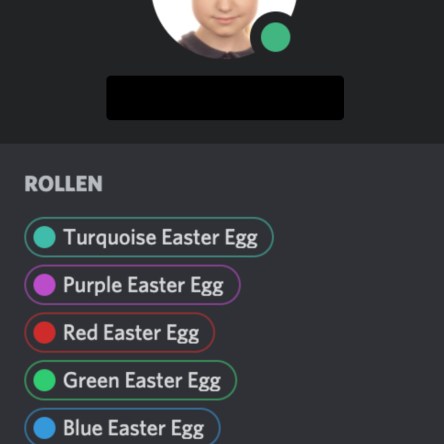
Simon has been hiding so-called “easter eggs” on his Discord server, i.e. hidden surprises that can be anything ranging from a character code to a math puzzle, for his friends … Continue reading What Geeks Do for Easter Egg Hunt 🥚
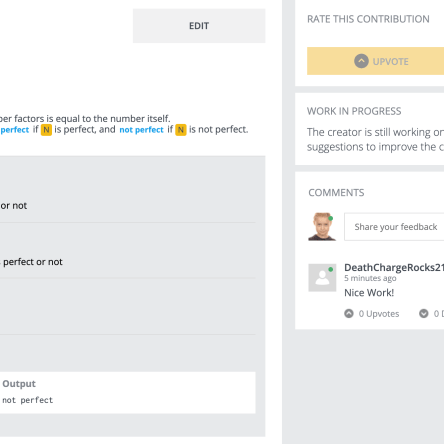
CodinGame is a fun and social way to learn to code. Neva has been practicing in both speed solving other people’s coding challenges and authoring her own math-based puzzles for … Continue reading Neva has started creating her own puzzles on CodinGame
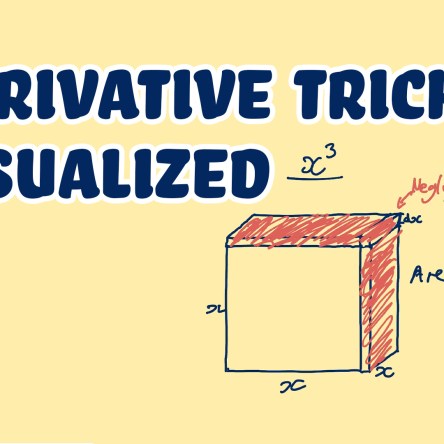
It never seizes to mesmerize me how Simon sees math. So many times has he solved math problems or proved theorems relying on visual, geometric illustrations instead of bluntly applying … Continue reading Simon Shares his Derivatives Tricks: Visualizing Calculus

We’ve calculated the perfect (optimized) combination of biological corn snack (dinos) vs. premium Belgian chocolate eggs. Simon takes it from here: Here’re the assumptions that we used: Both one bag … Continue reading Easter Eggs Optimization Problem
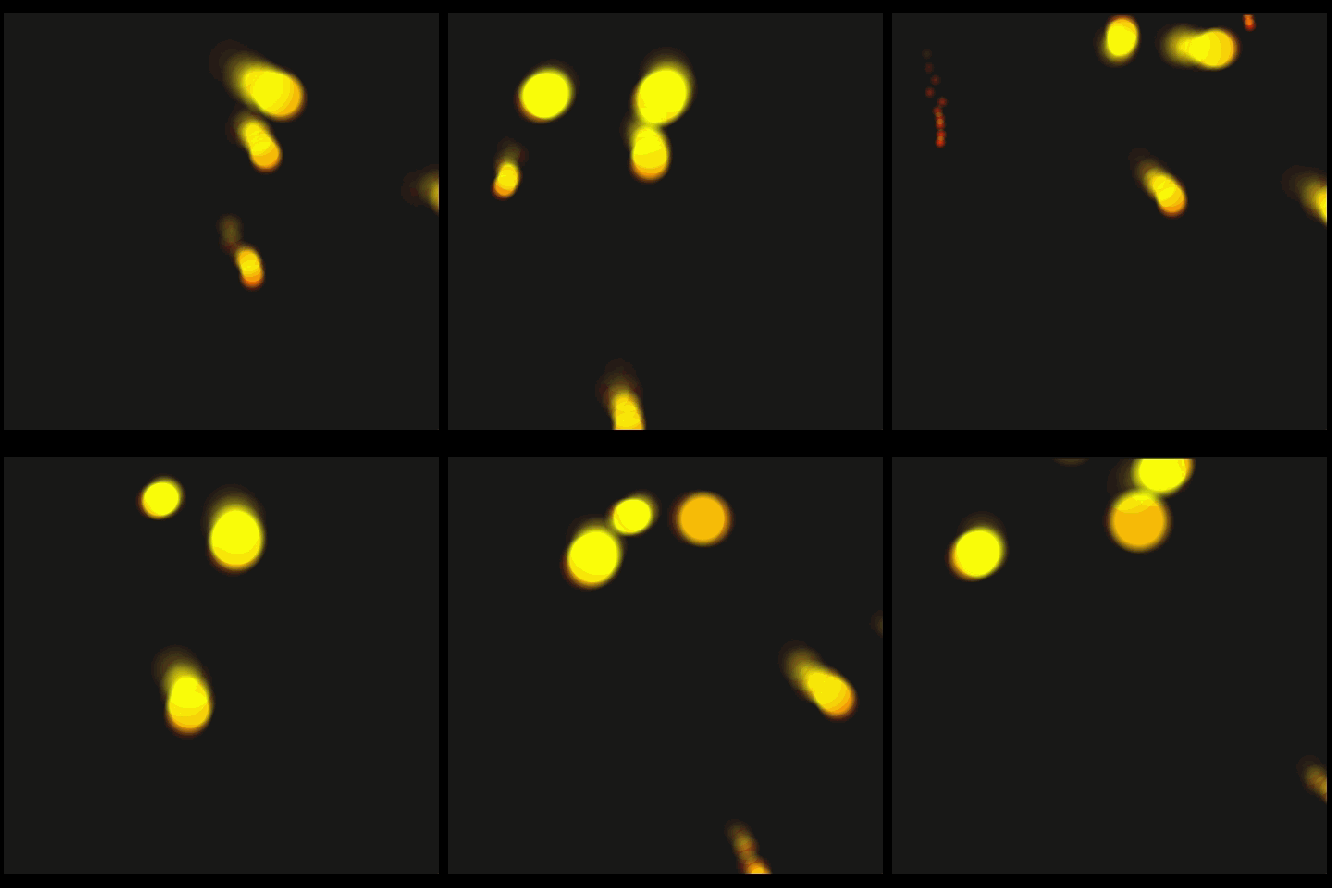
Simon continues his regular and very rewarding collabs with his friend Abhay Kashyap. Here’s what they have been up to lately: We recreated another Flash game, Gravitee. The hardest part … Continue reading Latest Collabs: Rainbows, Wormholes and Fireballs

Our living room has this air of an open source digital studio, sizzling with contagious creativity. I have always encouraged the kids to do their stuff in a shared space … Continue reading Go Girl!

This is Simon’s preferred way of learning math and physics: try to work out the formulas independently. This time it’s the collision formulas which he attempts to depict geometrically. You … Continue reading DIY: Derive It Yourself
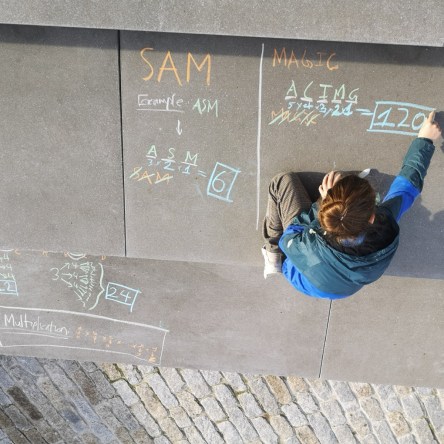
Combinatorics problems (each one builds on the previous one): If there’s a sequence of tasks you need to do, and you know how many ways there are to do each … Continue reading Some weekend combinatorics
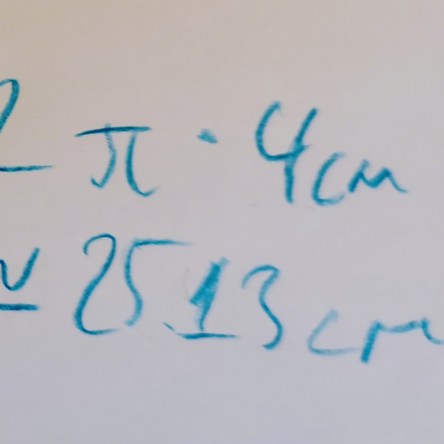
How fast can a fidget spinner spin? Is it not that fast or can you literally use it as a car wheel? Inspired by Matt Parker, who listened to the … Continue reading What is a fidget spinner’s actual speed, in km/h?
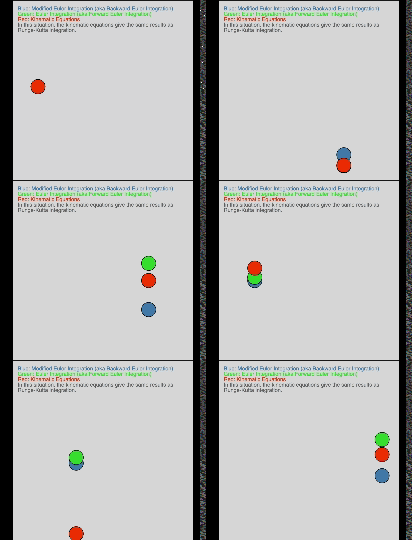
Simon has made a visual about what he calls “three different ways to make a physics simulation”: Blue: Modified Euler Integration (aka Backward Euler Integration); Green: Euler Integration (aka Forward … Continue reading Integration Techniques for Physics Simulations
 Geeks out of the box