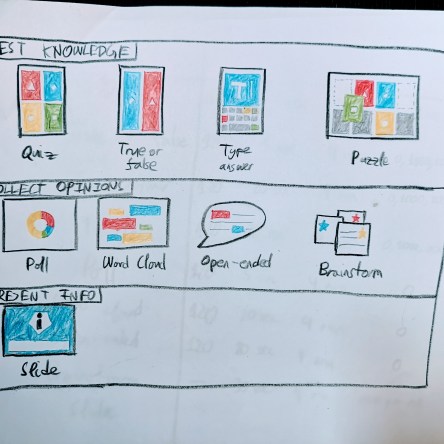
Quiz Jazz
After a good friend from Amsterdam invited us to take part in his self-made quiz show, this got Simon really excited about Kahoot.com and all the possibilities it has to … Continue reading Quiz Jazz
a homeschooling blog about Simon, a young mathematician and programmer, and his little sister Neva. Visit https://simontiger.com
After a good friend from Amsterdam invited us to take part in his self-made quiz show, this got Simon really excited about Kahoot.com and all the possibilities it has to … Continue reading Quiz Jazz

Our living room has this air of an open source digital studio, sizzling with contagious creativity. I have always encouraged the kids to do their stuff in a shared space … Continue reading Go Girl!
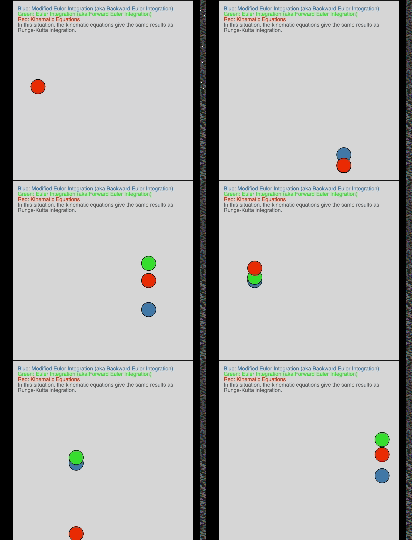
Simon has made a visual about what he calls “three different ways to make a physics simulation”: Blue: Modified Euler Integration (aka Backward Euler Integration); Green: Euler Integration (aka Forward … Continue reading Integration Techniques for Physics Simulations

Simon’s version of John Conway’s famous Game of Life, a cellular automaton zero-player game whose evolution follows certain simple rules and mainly depends on its initial conditions. Cellular automata-like models … Continue reading Conway’s Game of Life
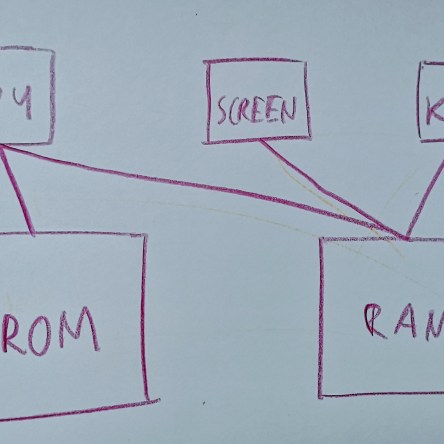
Reading on in the From NAND to Tetris textbook. I realized I have a problem. One RAM chip only has one address but will have to be connected to three … Continue reading NAND to Tetris with hardware: Problem Solving
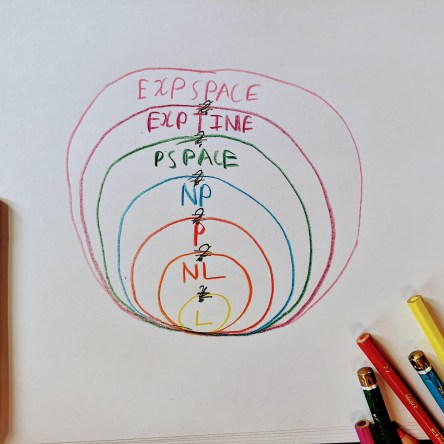
Simon took a piece of paper and drew P vs. NP and other complexity classes. P vs. NP is probably the most famous millennium problem, one of the seven most … Continue reading Simon’s sketch book, P vs. NP and Fallacy vs. Paradox
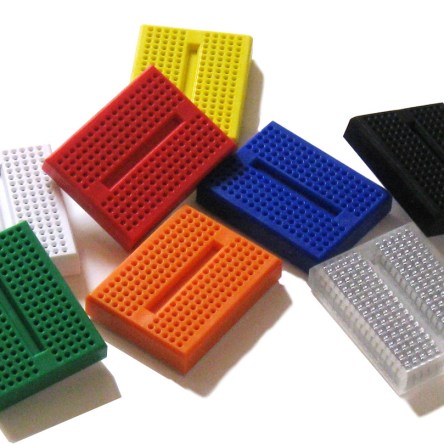
One thing I don’t like about From NAND to Tetris is that they don’t explain sequential logic, like at all. They basically say: “Here’s a D flip-flop, don’t worry about … Continue reading Further plans about the NAND to Tetris project
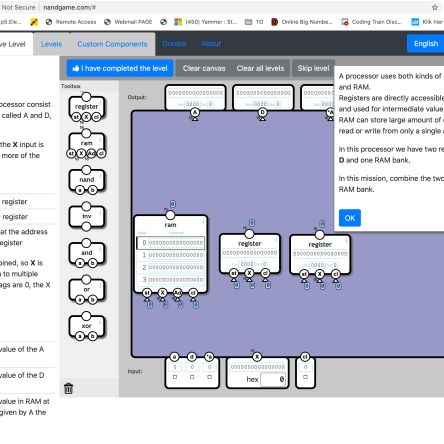
Thanks to @BioGeek in the comments, Simon has discovered nandgame.com, one awesome computer engineering learning environment, corresponding to the first five chapters of the NAND to Tetris course (see our … Continue reading Nandgame!
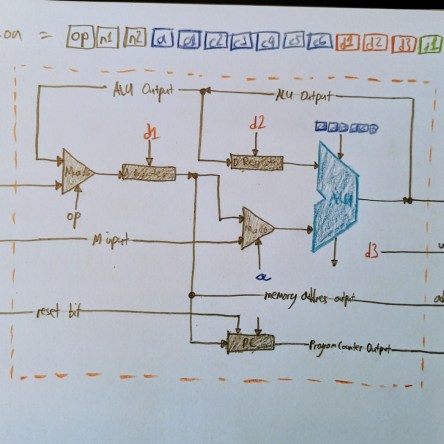
Last week, Simon found this awesome free computer engineering course and textbook, and dove right in. The course teaches how to create: A basic computer A higher-level language A mini … Continue reading From NAND to Tetris

Simon has been greatly inspired by Sebastian Lague’s new video on how computers work, it seems to have sparked a whole new wave of enthusiasm about logic gates and logic … Continue reading Logic Gates. Simon has programmed his own Digital Logic Simulator.
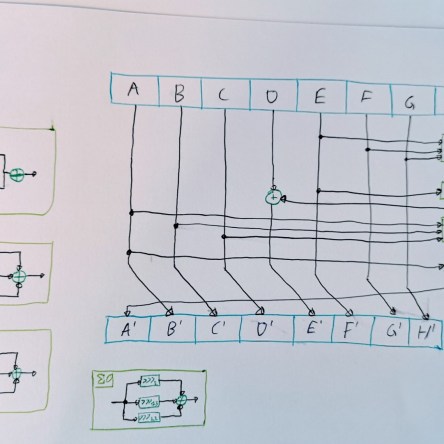
Simon is mesmerized with cryptographic hash functions. He is following the Cryptocurrency course on Brilliant.org and learning about secure hash algorithms at a whole new level now. SHA–2 (Secure Hash Algorithm 2) … Continue reading Secure Hash Algorithms

 Geeks out of the box